High Alpine Passages: Walking Above the Clouds
Leaving vehicular passes behind to follow ancient mule paths across high granite ridges and silent alpine huts.
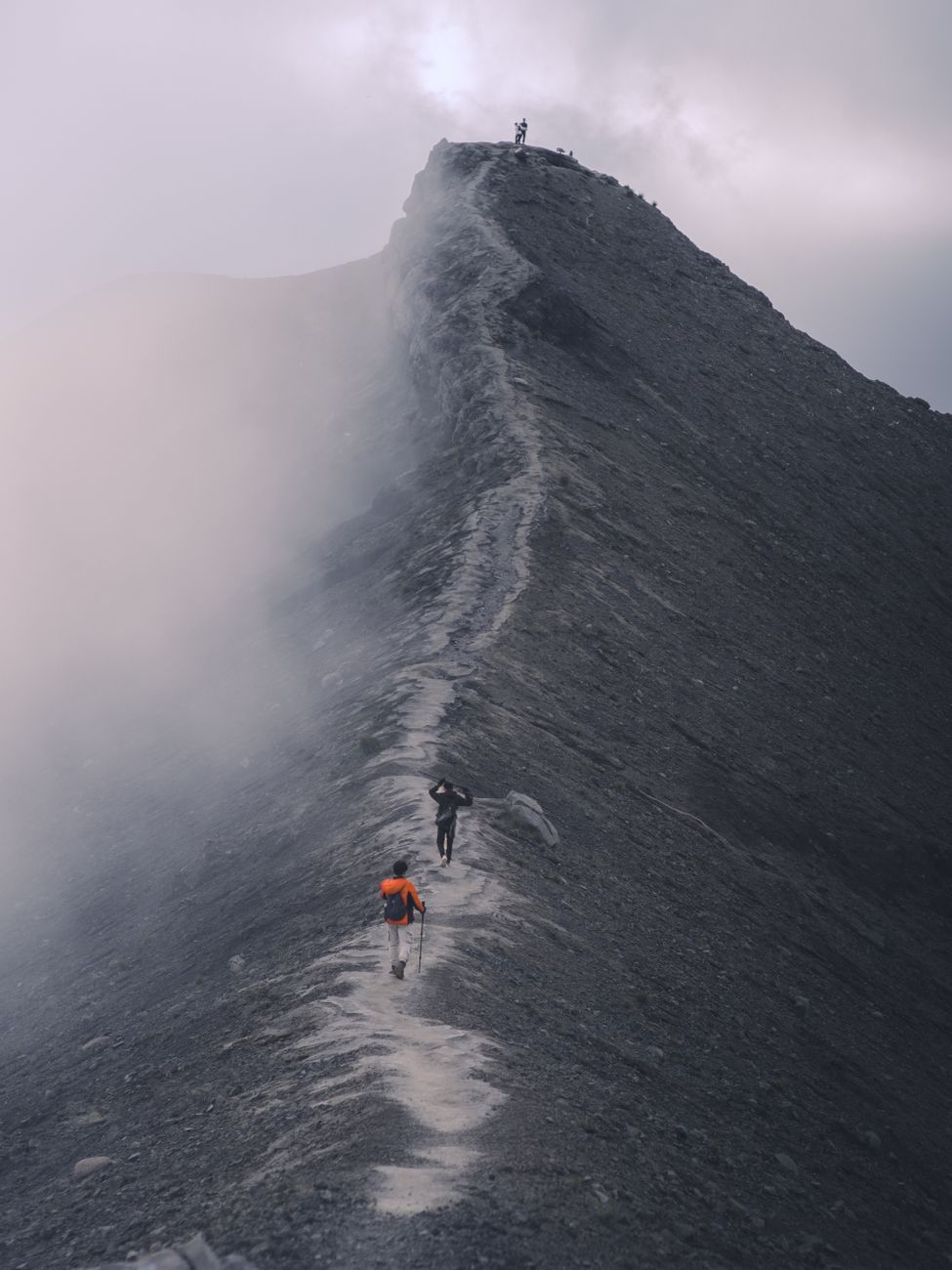
Above 2,200 meters, landscape undergoes a severe distillation. Trees surrender to alpine scrub, scree fields, and perennial snowfields. In this austere realm, human concerns shrink down to rhythm, breath, and the steady cadence of boots on granite.
The Discipline of Ascending
To walk an alpine pass is to engage in conscious economy of motion. When the gradient steepens, haste becomes your enemy. Each stride must be measured; breaths are drawn in tandem with the strike of trekking poles. It is a form of active meditation that clears the modern mind faster than any digital detox.
"Mountains do not negotiate with human schedules. They demand complete surrender to light, storm cycles, and thermal drafts."
The Refuge at Twilight
Arriving at a high stone refuge as shadows stretch across the valley is an experience etched into memory. Woodsmoke drifts from the chimney; fellow hikers remove heavy boots in the drying room; and hot vegetable broth is served at long communal timber tables. Here, social standing disappears—all guests are simply walkers grateful for shelter.
Ethical Mountain Etiquette
Traversing these pristine ecosystems demands strict stewardship. Pack out all waste without exception, yield trail priority to uphill climbers, and resist constructing decorative stone cairns that can mislead navigators in sudden mountain fog.