Kyoto After Rain: In Search of Silent Gardens
When heavy cloudbursts descend upon the ancient capital, the tour buses scatter. What remains is the sound of water dripping from cedar eaves.
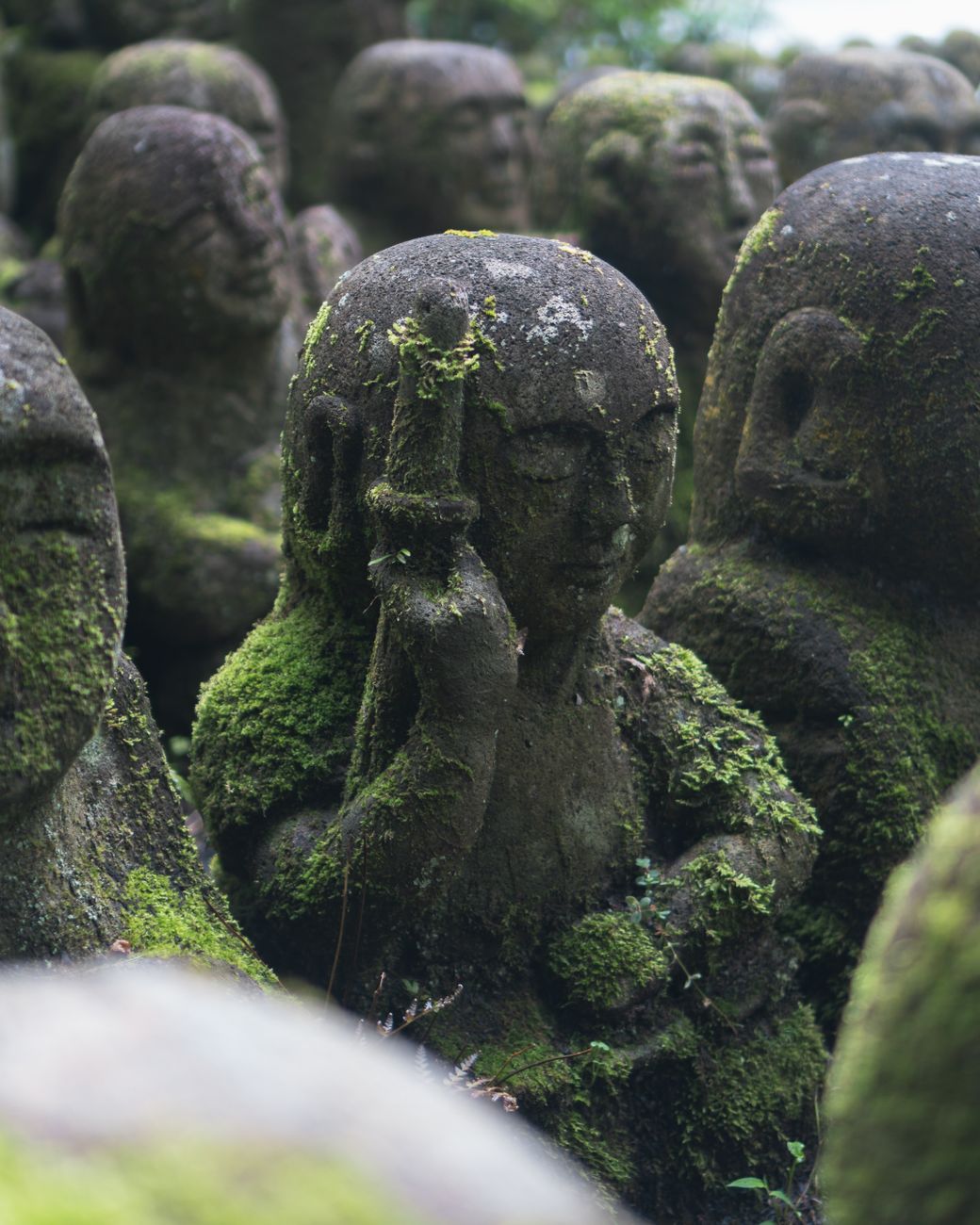
There is an unwritten rhythm to Kyoto that only reveals itself when weather disrupts expectation. In mid-spring, when the seasonal drizzle rolls down from Mount Hiei, the city sheds its polished postcard veneer and regains its monastic composure.
The Geometry of Stillness
Stepping past the outer wooden gate of a modest sub-temple north of Daitoku-ji, the first sensation is the absence of chatter. The raked gravel, usually pale and blinding under midday sun, turns a deep slate gray. Raindrops collect on pine needles, suspending miniature droplets that reflect the overcast sky before surrendering to the earth.
"To sit on a wooden veranda with nothing to accomplish is not wasted time; it is the fundamental restoration of human attention."
Walking the Back Canals
Moving along the stone paths flanking the Shirakawa waterway, water flows briskly, swollen with rainfall from the surrounding ridges. Here, neighborhood life operates at an ancient baseline: a tea merchant sweeping slate steps, the scent of roasting houjicha escaping through wooden lattices, and cats curled beneath clay roof tiles.
We often travel thousands of miles under the delusion that discovery requires frantic movement. Yet, thirty minutes spent watching mist rise off a stone basin at Honen-in teaches more about balance than twenty museum visits crammed into a weekend.
Field Notes for the Mindful Visitor
For those walking Kyoto in rainy weather, arrive early before the 9:00 AM monastery bells. Bring shoes with water-resistant leather or wool socks for unheated wooden verandas, and leave umbrellas in the designated bamboo holders at temple thresholds.